1. The Court & Equipment
Court Dimensions
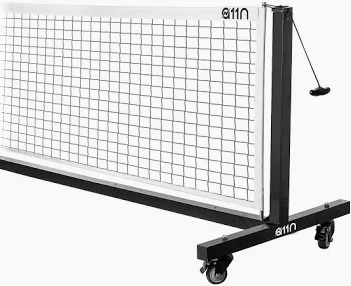
A pickleball court is 20 feet wide and 44 feet long — the same size for both singles and doubles. The net is 36 inches high at the sidelines and 34 inches at the center.
It's basically a shrunken tennis court. Like tennis went through the dryer too many times.
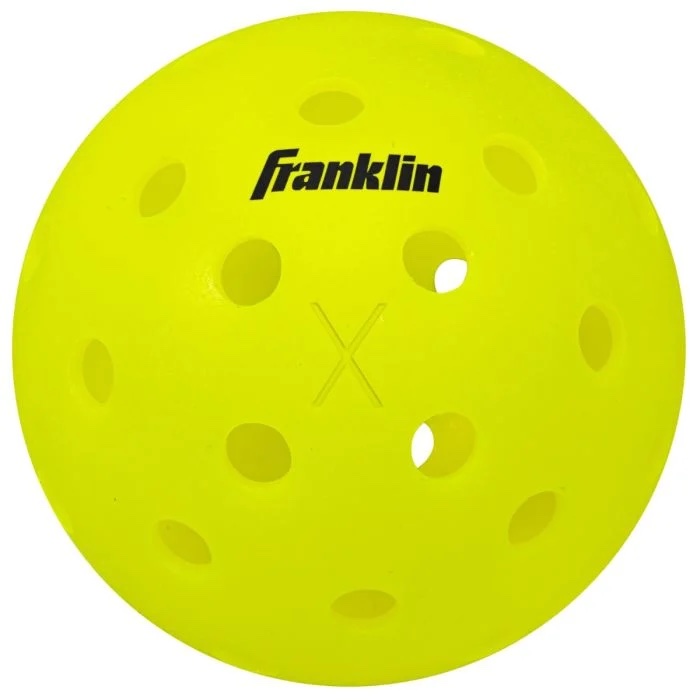
The Ball
A pickleball is a hard, perforated polymer ball with 26–40 holes. Outdoor and indoor balls differ slightly in hole count and weight.
It's a wiffle ball that went to college and got serious about its career.
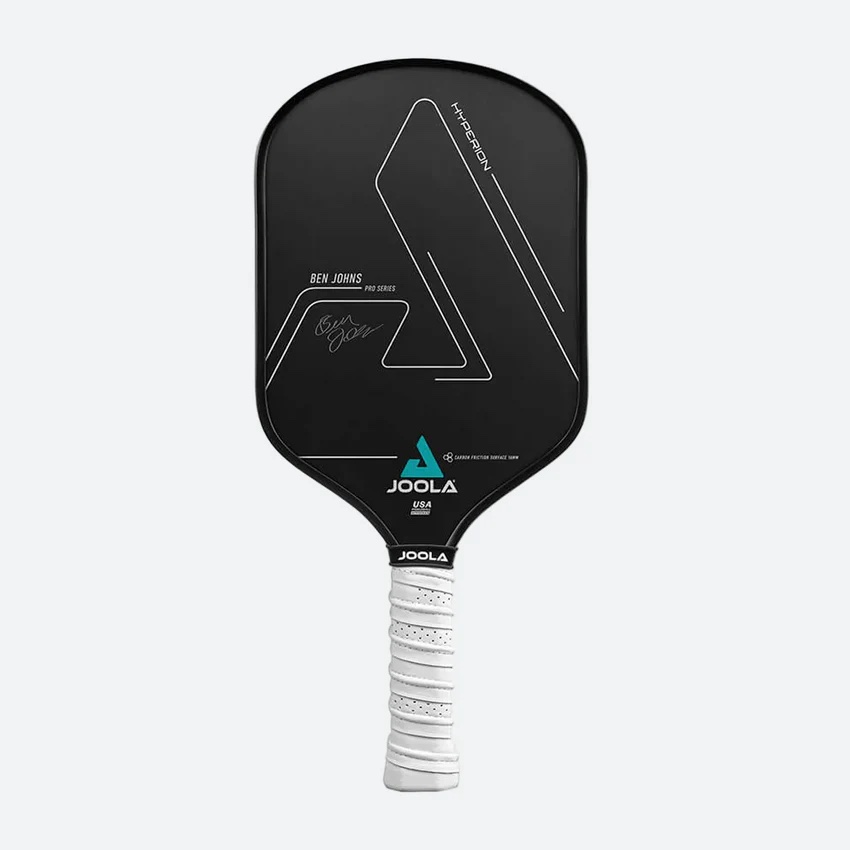
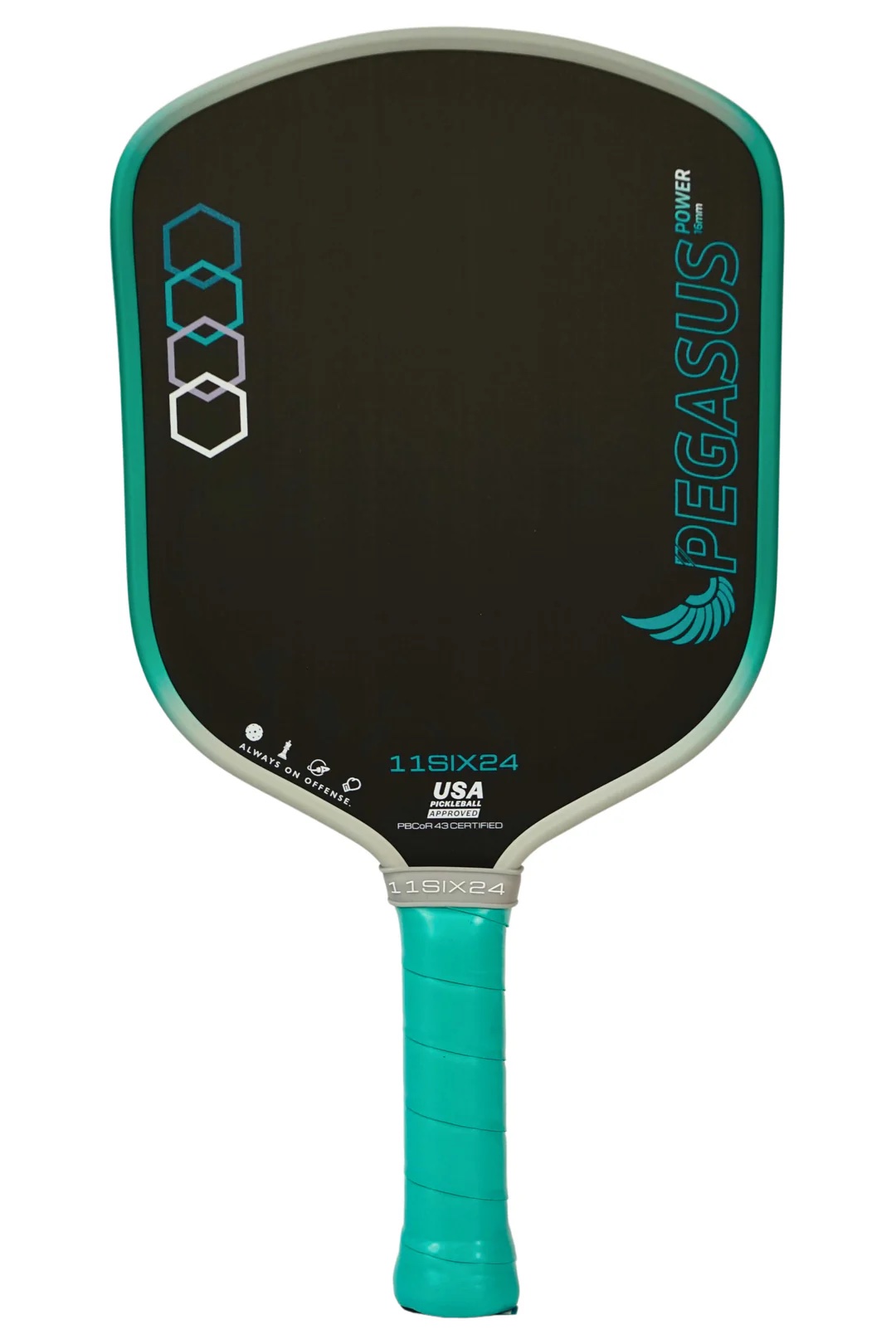
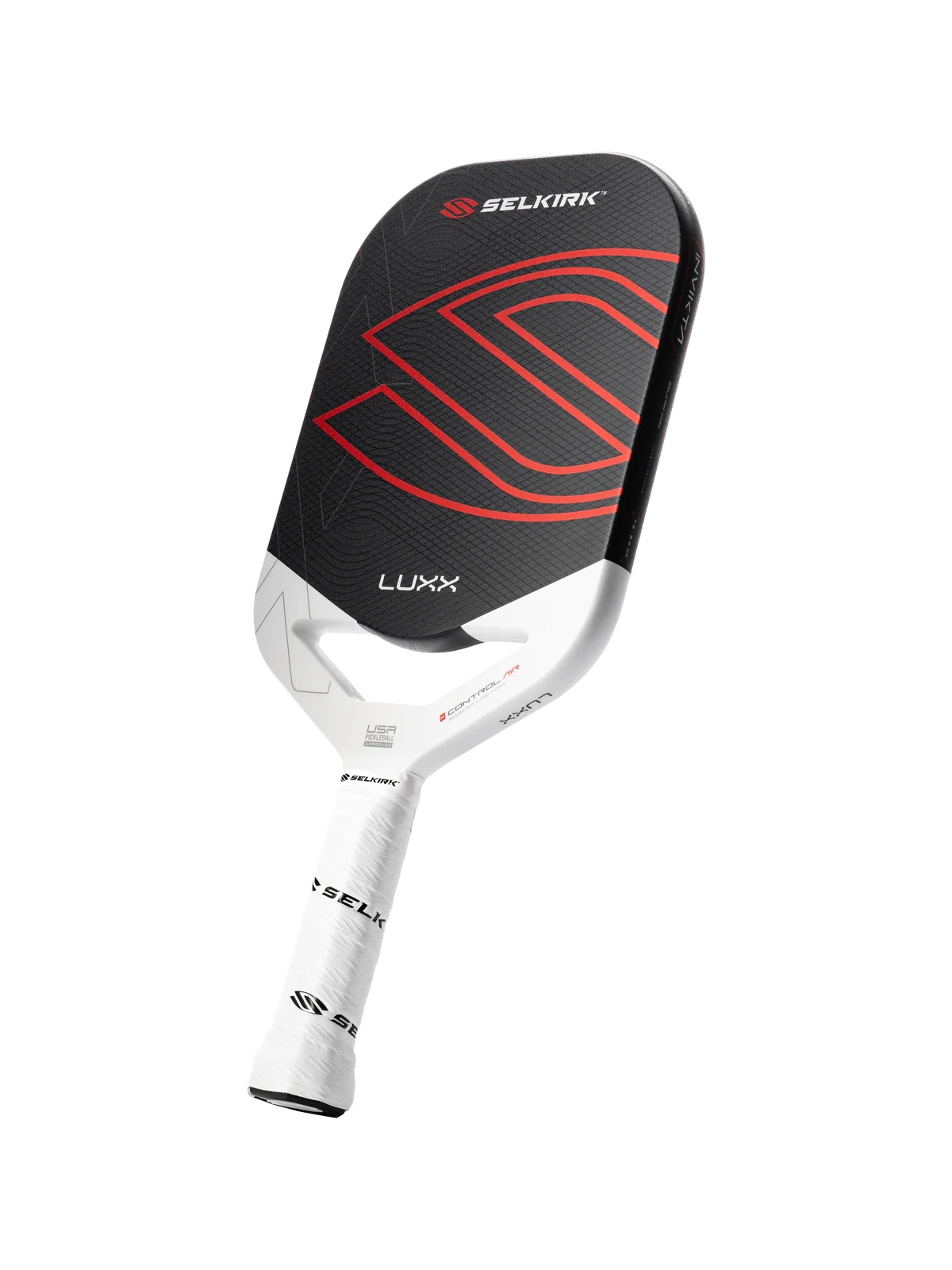
The Paddle
Paddles must not exceed 17 inches in length and 24 inches combined length + width. No strings allowed — it's a solid hitting surface.
No strings. This isn't tennis, Shakespeare. Put the racket down.
2. Serving Rules
The Underhand Serve
The serve must be made with an underhand motion. The paddle must contact the ball below the waist level, and the highest point of the paddle head must not be above the wrist at the point of contact.
You cannot spike the serve like a volleyball star. Keep it humble. Keep it low.
Serve Placement
The serve must land in the diagonal service box. It must clear the non-volley zone (kitchen) and land in bounds.
You're aiming diagonally, like a responsible adult crossing the street — not straight across like someone who ignores crosswalks.
One Serve Attempt
Each player gets only one serve attempt per rally, except in the case of a let (when the ball clips the net and lands in the correct service box).
Unlike tennis, you don't get a second chance. Just like your driving test. Do it right the first time.
The Drop Serve
Players may drop the ball and hit it after the bounce. When using the drop serve, the restrictions on paddle contact height and swing direction do not apply.
Drop it like it's hot. Literally. This is your loophole if underhand feels awkward.
3. The Kitchen (Non-Volley Zone)
What Is the Kitchen?
The non-volley zone (NVZ), affectionately called "the kitchen," is the 7-foot area on both sides of the net. You cannot volley the ball while standing in this zone.
Stay out of the kitchen — just like your grandma always said. You can't hit the ball out of the air in here. Period.
The Kitchen Foot Fault
A player cannot step into the kitchen or touch the kitchen line during or after volleying the ball. If your momentum carries you in, it's a fault.
Momentum is not an excuse. "But my foot slid in!" Cool story. Fault.
You CAN Enter the Kitchen
A player may enter the kitchen at any time to hit a ball that has bounced. They just cannot volley from inside it.
The kitchen isn't evil. You can visit. Just don't volley in there. It's like a museum — look, don't touch (the airborne ball).
4. Scoring
Only the Serving Team Scores
Points can only be scored by the serving team. If the receiving team wins the rally, they gain the serve — not a point.
Defense doesn't score. Only the server does. It's like being the DJ — if you're not spinning, you're waiting.
Games to 11, Win by 2
Standard games are played to 11 points and must be won by a margin of 2. Tournament games may be played to 15 or 21.
11 points. Not 10. Not 12. Welcome to the slightly odd world of pickleball math.
The 3-Number Score Call
In doubles, the server calls out three numbers before serving: the serving team's score, the receiving team's score, and the server number (1 or 2).
"4-3-2!" You're not launching a rocket. You're just serving a pickleball. But it sounds very official.
5. Faults & Violations
The Two-Bounce Rule
After the serve, each team must let the ball bounce once before volleying. The serve must bounce on the return, and the return must bounce before the serving team can hit it in the air. After those two bounces, volleying is allowed.
Bounce once, bounce twice, THEN you can go crazy. Think of it as the game's way of saying "calm down, it just started."
Ball Out of Bounds
A ball landing outside the court boundaries is a fault. Lines are considered in-bounds.
On the line = in. Barely outside = out. Life is binary on the pickleball court.
Hitting the Net
If your shot hits the net and does not go over, it is a fault and the rally ends.
The net is not your friend. The net is a boundary. Respect the net.
6. Doubles Rules
Both Players Serve (Sort Of)
At the start of the game, the first serving team only gets one serve fault before the serve passes to the other team. After that, both players on a team serve before the serve switches — this is called a "side out."
At the very start, one team only gets ONE serve. It's the game's way of saying, "Not too fast, champ."
Server Position
The player on the right side of the court serves when the team's score is even; the player on the left side serves when the score is odd.
Even score = right side. Odd score = left side. Forget this and you'll be very confused very fast. Write it on your hand if you must.
7. Wait, What?! Weird Rules
🚨 The Nasty Nelson
A legal (if unsportsmanlike) move where a server intentionally aims at the non-receiving opponent to score a point. It's allowed. It is frowned upon. Heavily.
🚨 The Erne Shot
A player can leap over the kitchen from outside the court to volley near the net — as long as they don't land in the kitchen. It looks wild. It is wild. It is perfectly legal.
🚨 Hitting Your Partner
In doubles, if the ball hits your partner before landing — even accidentally — it's a fault. Sorry. Fault. Ouch.
🚨 The Let Serve (Eliminated in 2021)
As of 2021, let serves — where the ball clips the net and lands in the correct box — are now live and in play. No re-serve. If it trickles over, play it!
8. 2026 Rule Changes — What's New This Year
Rally Scoring Game Point — No More "Freeze"
Under the updated rally scoring format, either the serving or receiving team can now score the game-winning point. Previously, only the serving team could win the game at match point, creating a frustrating "freeze" scenario.
Remember that painful moment where you're at match point but can't close it out because you're not serving? Gone. A point is a point now. Game over. Go home.
The Volley Serve Must Be "Clearly" Legal
The word "clearly" has been added to all three volley serve requirements. Your serve must clearly contact the ball below the waist, the paddle head must clearly be below the wrist, and the swing must be in a clear upward arc. If it's not obvious to the referee, it's a fault.
No more sneaky sidearm serves that technically maybe sort of could be legal if you squint. If the ref has to think about it, you're cooked.
No Asking the Crowd for Help
The language has changed from players "should not" consult spectators for line calls to "must not." Players who ask fans or bystanders for help with a line call may now receive a warning or penalty.
Your buddy on the sideline yelling "THAT WAS IN!" is no longer your lifeline. This isn't Who Wants to Be a Millionaire. Make your own calls.
Visible Second Ball = Fault
Having a visible second ball on your person during a live rally is now an official fault under the 2026 rulebook. If a loose ball falls out of your pocket mid-rally, the point is over.
Empty your pockets, people. That extra ball you stashed "just in case" is now a ticking time bomb. One ball at a time. Like a civilized person.
Out Calls Must Be Immediate
If you're going to call a ball out, it must be made promptly. You cannot wait to see if your partner returns the ball and then retroactively call it out. If you hesitate, the ball is considered in.
No more "wait and see" out calls. You can't watch your partner whiff the return and then suddenly decide it was out. We all saw what you did there.
Refs Can Penalize You Before the Match Starts
Referees now have the authority to issue verbal warnings or technical fouls during the pre-match warm-up period and briefings — not just during actual play.
Trash-talking during warm-ups? Slamming your paddle before the first serve? The ref is watching. And they have a whistle. And they're not afraid to use it.
Paddle Abuse Can End Your Match
The 2026 rulebook strengthens language around physical violence and property damage. If a player throws or strikes a paddle and it hits someone or damages the venue, tournament directors can now forfeit the match — not just issue a warning.
Throwing your paddle because you lost a rally? That's not passion, that's a tantrum. And now it's also a forfeit. Keep it together out there.
Adaptive Standing Division — Officially Recognized
The 2026 rulebook formally establishes the Adaptive Standing Division for players with permanent physical disabilities affecting mobility, balance, or coordination. Eligible players may use a two-bounce rule, where the second bounce can land anywhere on the court. In hybrid doubles, the two-bounce allowance applies only to the eligible player, not their partner.
Pickleball is for everyone — and now the rulebook officially backs that up. More players, more inclusion, more fun. This is the best rule change on the entire list.
Timeout? Say It Loud
Players must now clearly indicate a timeout to the referee and opponents, either with the universal "T" hand signal or by saying it out loud. You can no longer silently walk off the court.
You can't just ghost mid-game and wander off to grab water. Are you taking a timeout or going to lunch? Use your words. Or your hands. Just communicate.
Wind Ball Hits the Net Post? You Win.
If your shot legally clears the net and bounces in the opponent's court, but then the wind or spin carries it into the net post — you win the point. The ball already landed in. Play is over.
Mother Nature is now officially on your side. If the wind blows your perfect shot into the post after it bounced in — too bad for your opponent. Physics wins.